Have you ever heard your team saying they are giving their all at work—only to come home too drained to enjoy the life they are working so hard to build?
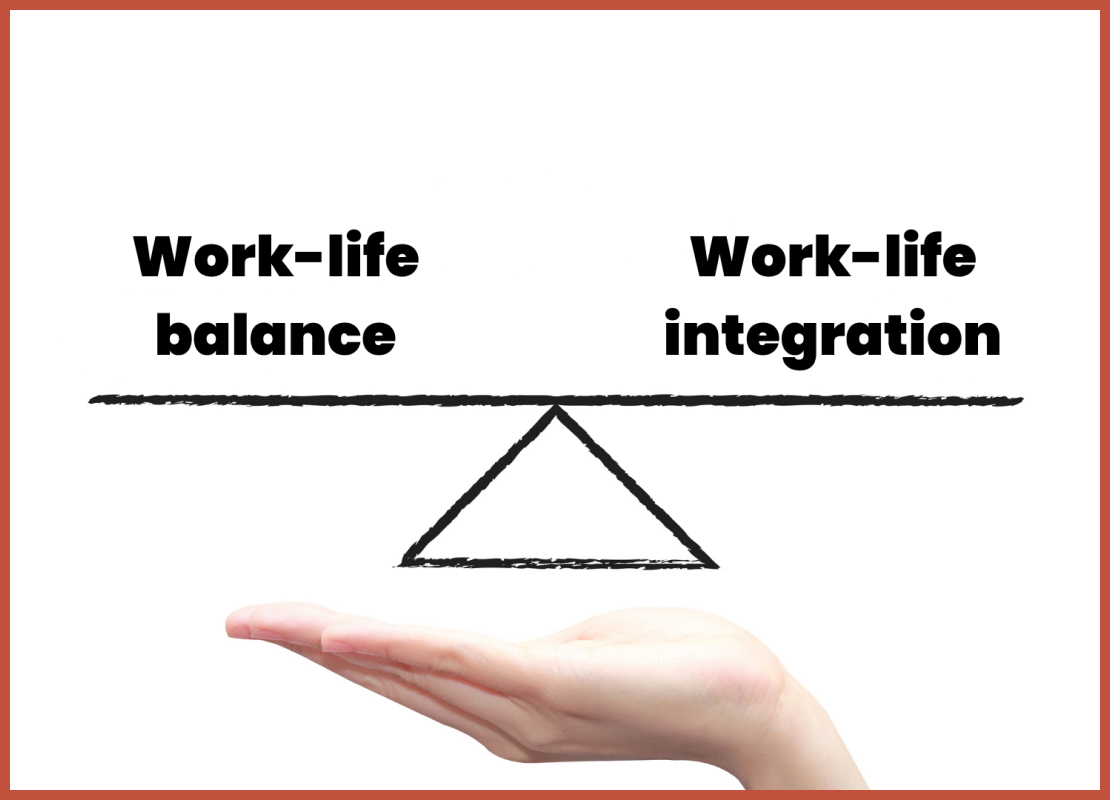
As an HR leader, you have likely encountered the debate between work-life balance and work-life integration in your workplace. While balance focuses on clear boundaries, integration embraces flexibility, allowing work and personal life to coexist.
But why does this matter now more than ever?
The rise of remote work and the changing expectations of employees- especially among Millennials and Gen Z have forced organizations to rethink how they support their employees well being and engagement.
When it comes to shaping policies, HR professionals play a key role in shaping them, forming a culture where employees stay productive without burnout, supported and empowered.
Hence, it becomes important to recognize which approach drives better engagement. Is it balance, integration, or a mix of both?
Let’s understand the differences, common challenges, and the right approach between work-life balance and integration!
What is work-life balance?
Work-life balance is associated with a healthy balance between work and personal life to avoid feeling overwhelmed, stressed, and burnout. It leads to increased productivity and efficiency of employees. The benefits of a healthy work-life balance are not only confined to employees but are also beneficial for employers. It enhances employee retention and the branding of the company.
What is work-life integration?
Work-life integration is a practice in which employees seamlessly blend their personal and work responsibilities, creating a harmonious flow between the two. Flexibility is one of the significant benefits of work-life integration, as no one has to choose work over daily life. Along with it, it helps boost productivity, reduce stress, and enhance overall job satisfaction.
Common challenges in managing work-life approaches
Challenges of maintaining balance
Managing time effectively is one of the primary challenges faced while maintaining a work-life balance. Sometimes, work seeps into personal life because technology has blurred the boundaries between personal and professional life through instant connectivity. Employees always feel the pressure to stay available after office hours. In addition to this, cultural expectations like being a part of hustle culture can also be a great challenge when workplace policies don’t provide adequate support.
Potential drawbacks of integration
While work-life integration offers the flexibility to blend personal and professional life, it has its own set of challenges. One of the major drawbacks is the risk of work invading personal time, as there is a thin line between work and personal life, especially when employees are working remotely. This can lead to difficulty in fully disconnecting after work hours, causing extended workdays. Additionally, establishing clear boundaries becomes harder when there is no physical separation between work and home, making it challenging to prioritize personal time or fully relax. This constant juggling of responsibilities can increase stress and lead to burnout.
Work-life balance vs. integration: key differences explained with examples
Work-life balance and integration are two different approaches, but their major aim is to improve the overall efficiency, productivity, and mental well-being of employees. But there are some key differences which set them apart:
Boundaries Vs. Blending
Work-life balance
This work-life management technique works on the principle that work and life are two separate things, and there should be clear and distinct boundaries between them. The primary goal of work-life balance is to create a division that allows individuals to “leave work at work” and focus entirely on personal lives during non-working hours.
Example:
Suppose an individual’s office timings are set from 9 am to 6 pm when work is expected to be completed. After working hours, he doesn’t get any calls, reply to e-mails, or attend any meetings. He is also encouraged to disconnect completely. The organization has set clear boundaries between personal and professional life.
Work-life integration
This approach focuses on the idea of blending work and personal life in a way that they adapt to one another. It is more fluid than work-life balance and encourages the intertwining of work and individual tasks. This can mean responding to work emails while taking care of personal errands or using breaks during work to engage in personal hobbies.
Example:
Employees who are working remotely can set their schedule, integrating it with personal and professional activities such as having a quick meeting in the morning, taking an afternoon nap, and finishing up e-mails while walking. Work and life don’t have to happen in isolated blocks but can intermingle, adjusting based on the day’s needs.
Flexibility Vs. structure
Work-life balance
Work-life balance has a structure, which means it comprises a fixed schedule and clear boundaries between professional and personal life. Employees work for a fixed time and disconnect after work. With this approach, employees have dedicated time for family and personal activities. It gives them enough time for rest, family, and other personal commitments.
Work-life integration
Work-life integration allows employees the flexibility to adjust their work hours and location to fit personal needs. This may include working non-traditional hours (such as early mornings or evenings) or choosing to work remotely. It enables individuals to manage personal commitments without needing to take time off.
Personalization of work styles
Work-life balance
In this approach, employees can choose the schedule in which they want to work. Employees can select a specific working hour so their work doesn’t overlap with personal commitments.
Work-life integration
While this approach gives more flexibility by seamlessly blending professional and personal life, it allows employees to choose their location of work based on life demands.
Achieving work-life balance or integration: practical strategies
According to a SHRM survey, 51% of employees feel used up completely at the end of a working day, which leaves no time for their commitments. These stats emphasize the need for work-life management strategies in an organization.
Work-life balance
Achieving work-life balance has become a goal and a challenge for an organization. Employers play a crucial role in helping employees achieve this balance by fostering a supportive environment and boosting morale. Here are some of the practical and actionable strategies to improve work-life balance:
- Set clear boundaries– Encourage the employees to establish boundaries between work and personal life. As an HR, you can implement policies like after-hours communication limits to maintain this approach. A centralized employee engagement and communication place can help you set clear boundaries.
- Prioritize and plan– Help employees manage their workload by prioritizing tasks and setting realistic deadlines. Introduce time-blocking templates that allow employees to allocate specific time slots for focused work, meetings, and breaks. These templates can serve as a visual guide to optimize productivity while maintaining a balanced schedule.
- Embrace flexibility– Providing remote work options to help employees adjust their schedules is another way to maintain a healthy work-life balance in a workplace setting.
- Promoting self-care– Promote a culture where employees feel encouraged to take breaks and practice self-care. It will lead to a significant reduction in stress and burnout.
- Delegate tasks- Encourage managers and employees to delegate tasks where possible to allow employees to focus on high-priority tasks.
Work-life integration
Work-life integration is about blending work and personal life while recognizing that the boundaries between them are flexible. Effective work management plays a crucial role in maintaining this balance. While it can be challenging to achieve, it offers the potential for enhanced flexibility and increased productivity. Here are some key strategies that will help you achieve work-life integration:
- Work during downtime- You must encourage your employees to complete personal tasks when they feel it’s a quieter time and there are not many things to do.
- Utilize microbreaks- Promote a culture where employees can run personal errands during the short breaks without feeling guilty.
- Combine personal and professional goals– Allow employees to align their personal goals with professional ones. It can be learning opportunities, wellness programs, or career development.
- Use hybrid workspace- Promote hybrid work models, allowing employees to alternate between working from home and the office. There are several hybrid tools that allow you to do so.
- Encourage self-directed time- Allow employees to set aside some time for personal responsibilities without affecting key deliverables.
What is employee engagement?
Employee engagement plays a crucial role in an organization’s success. It refers to the involvement, dedication, and motivation that employees bring to work. Engaged employees are beneficial for the organization as they align their own goals with the organization’s goals.
Those who want to foster employee engagement can oversee employee’s job satisfaction levels, growth opportunities, and work-life balance, align with their need for flexibility in working, and give appropriate growth opportunities.
There are several strategies for enhancing employee engagement, such as promoting work-life balance and integration, encouraging regular feedback, sufficient opportunities for professional development, facilitating collaboration, and regular employee services.
Making the choice: which approach is right for you?
While deciding which approach is better for your organization, individual needs, job roles, and organizational culture must be kept in mind by HR professionals. Organizations must pay profound attention to ensure that their values align with the approaches and must be willing to adapt to employee expectations. Both approaches have their merits, and the right choice depends on the unique circumstances and needs of each individual and organization.
Evaluating individual circumstances
Work-life balance: Best for those who need clear boundaries between work and personal time
Work-life integration: Ideal for individuals with flexible lifestyles or those who thrive in dynamic environments.
Organizational culture and policies
Work-life balance: Works best in organizations with fixed hours, wellness programs, and a focus on employee time off.
Work-life integration: Suited for companies offering flexibility, remote work, and a results-oriented culture.
Navigating the transition
Strategies for organizations:
- Provide clear guidelines, training, and pilot programs for flexible work policies.
- Encourage individual preferences, allowing employees to choose the approach that suits them.
Ongoing support and development:
- Offer wellness programs, coaching, and digital collaboration tools.
- Set up feedback mechanisms to ensure continuous improvement.
Final thoughts
To put it all together, work-life balance and integration both play a crucial role in an organization’s well-being and success. While balance offers structure, integration offers flexibility; you need to choose the right approach depending on individual needs and company culture. By understanding and implementing such strategies, you can promote a supportive and healthy work environment that boosts engagement, reduces burnout, and drives productivity.
















































No Comments